
Hamilton Road Pollinator Garden
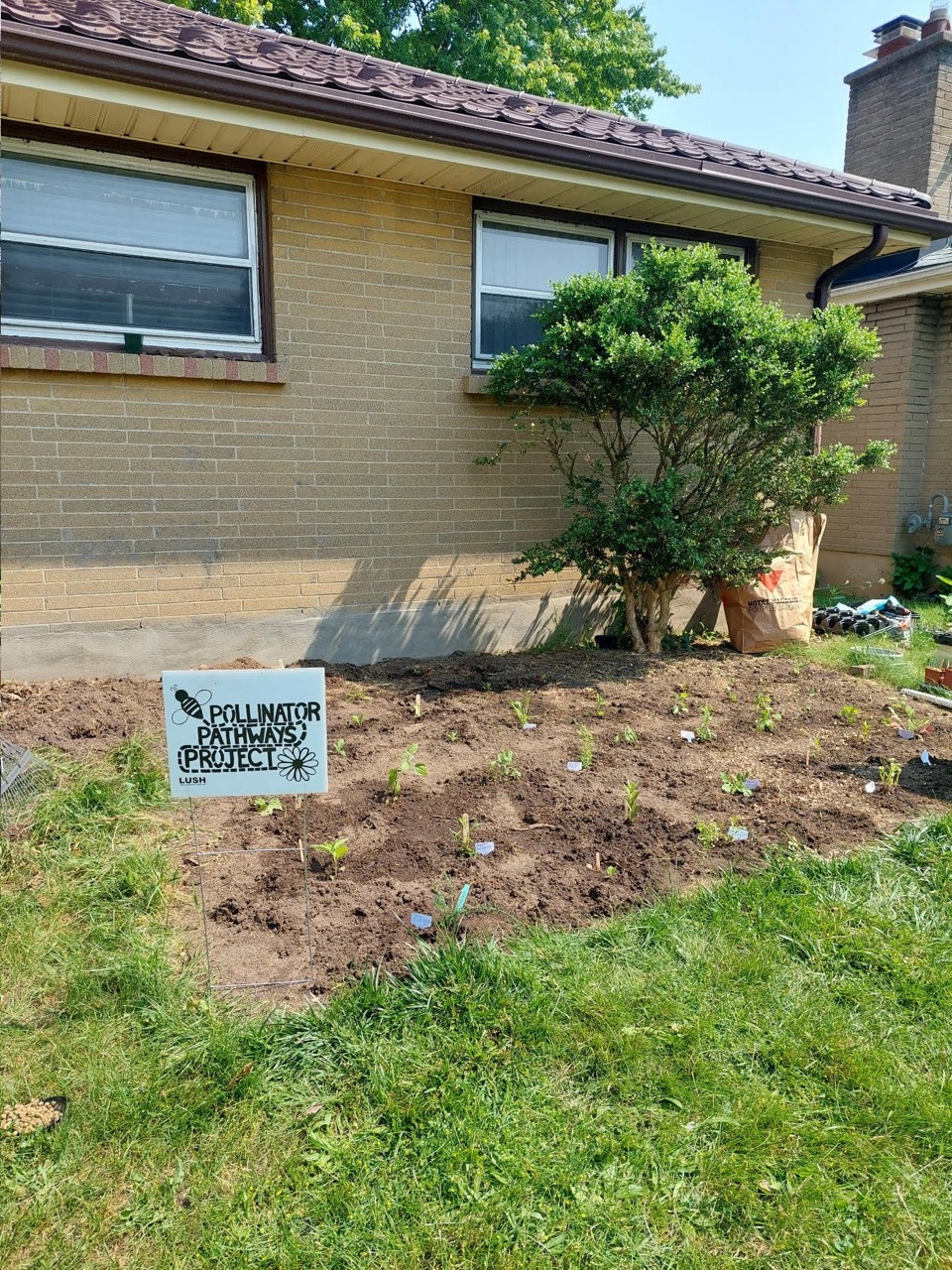
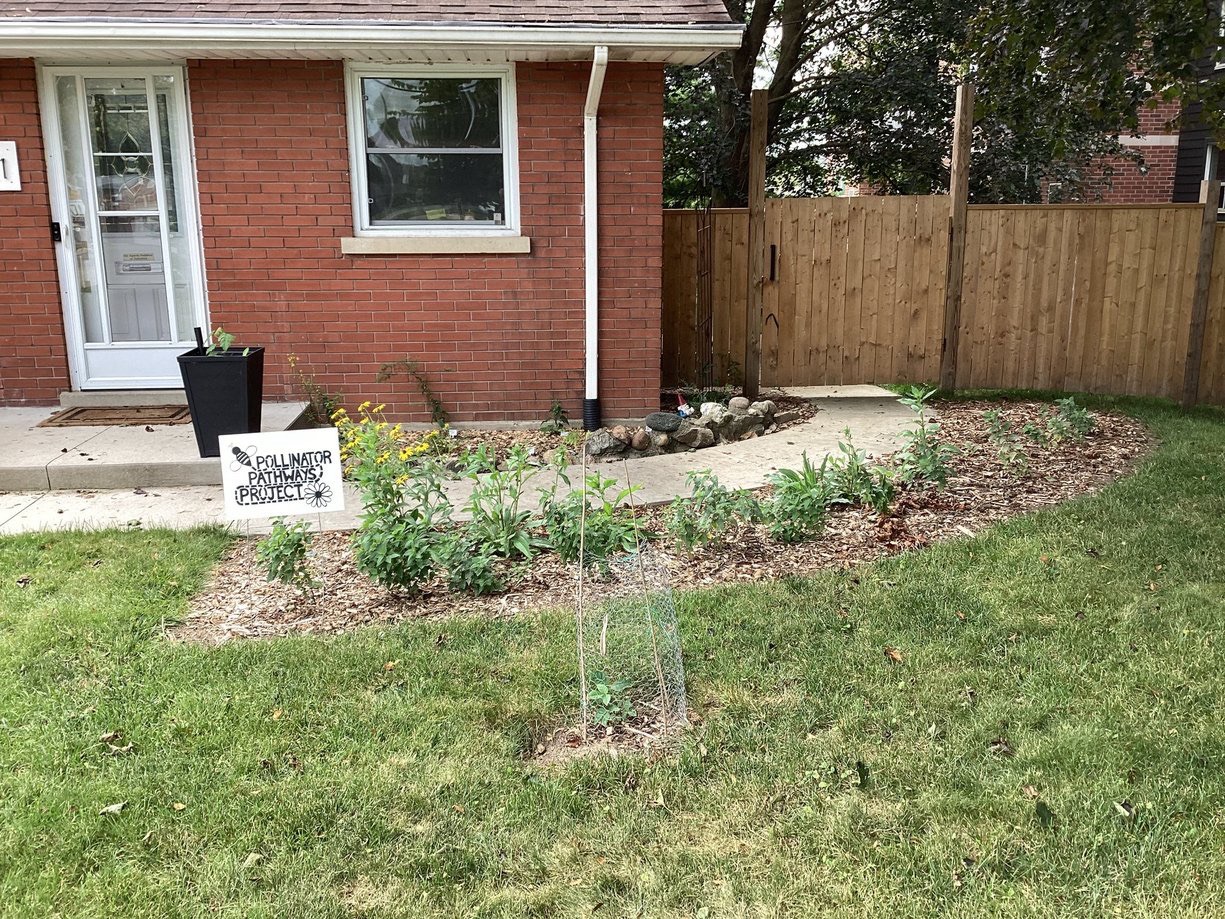
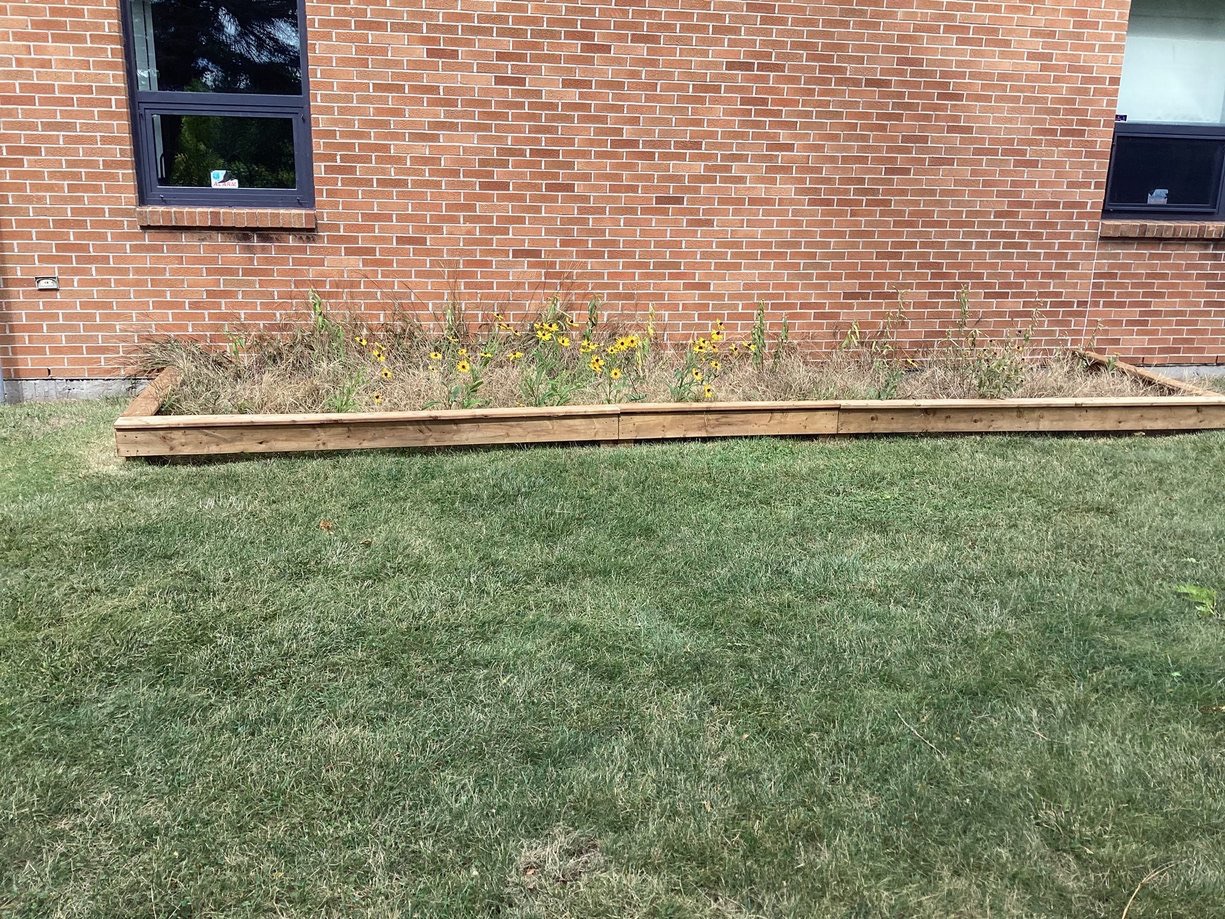
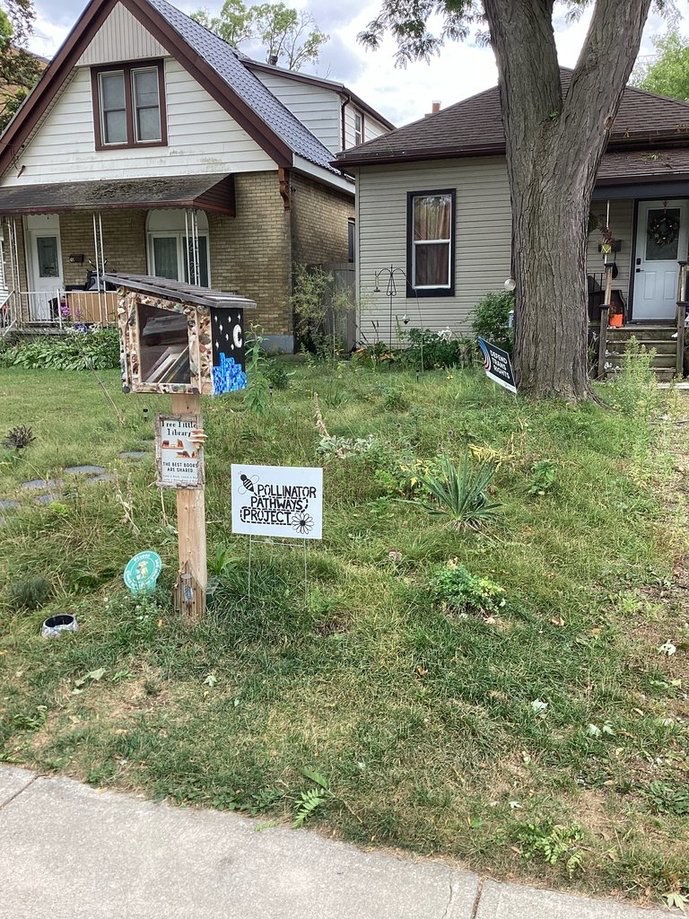
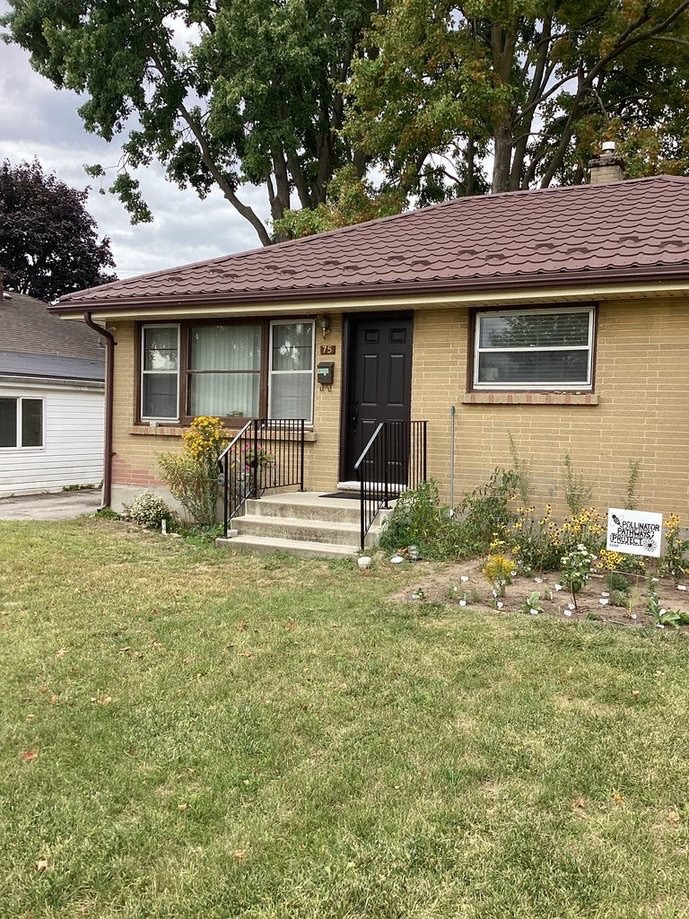
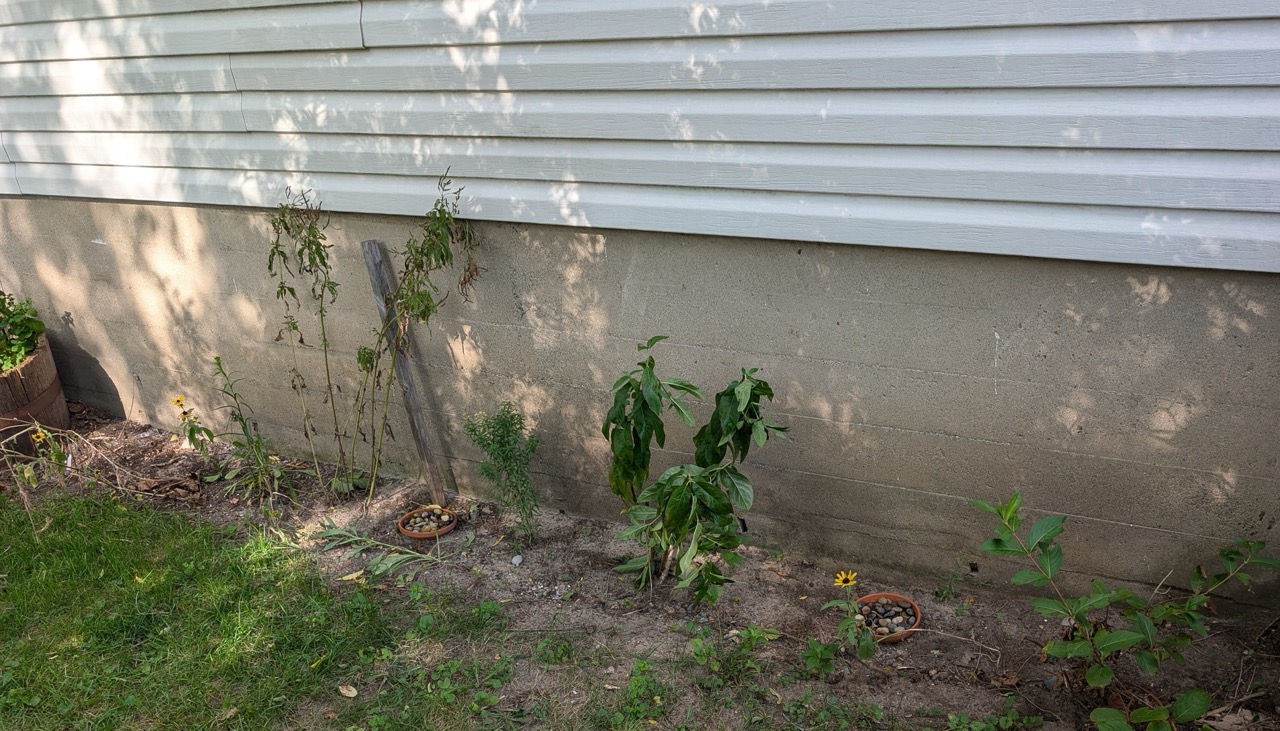
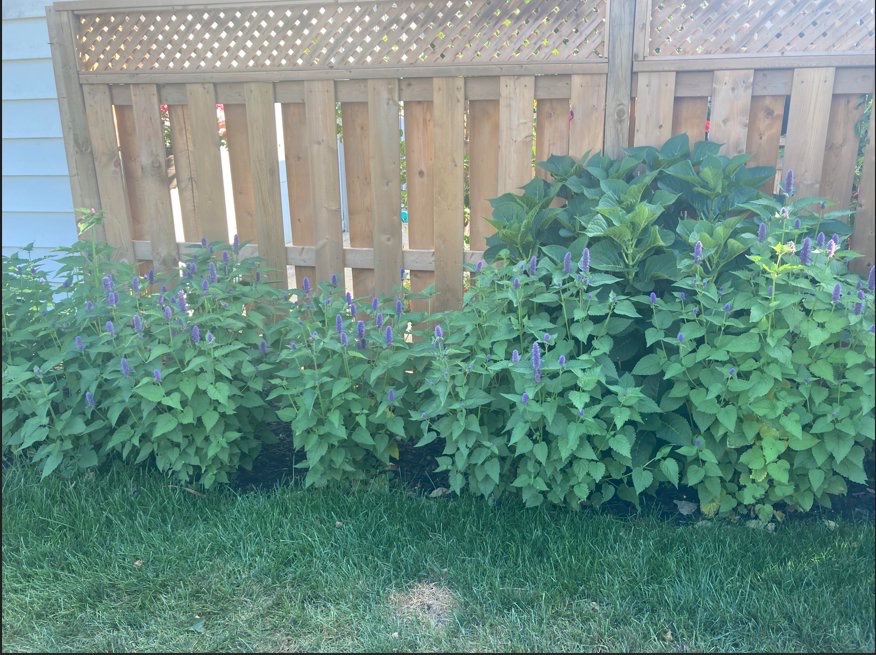
With the assistance of funding from the London Environmental Network’s “Environmental Action Incubator Fund”, Pollinator Pathways Project (P3) provided the garden design, garden preparation, native perennial seedlings, and planting assistance to 14 residents and institutions of the Hamilton Road Community.
Timeline of 2025 Hamilton Road Pollinator Garden Project:
- November/24 – P3 made the decision to launch the 2025 Hamilton Road Pollinator Garden project using many of the resources obtained during previous years’ projects, primarily the Central London Pathway project. The greenhouses needed for this new project, and some of the 1020 and seedling growing trays were available. Additional grow lights were needed based on the poor results from the Dundas Pathway project. It was identified that additional funds were needed to purchase seed starting mix, additional 1020 & seedling starting trays, and lumber for raised edge garden enclosures. (the additional funds were found in the LEN Incubator program). Seedlings for the project would be provided by 2 methods, Overwinter Seedling and Spring Seedling.
- December/24 - The Overwinter Seedling portion of the Hamilton Road Pollinator Garden Project began with the purchase of seeds and the distribution of the seeds and available 1020 trays & seed starting trays to 8 P3 volunteers. A workshop to prepare the overwinter seedlings was held at the Civic Garden Complex with 4 of the 8 P3 volunteers attending.
- March/25 – Using P3’s and Hamilton Road Business Improvement Association’s social media (website, facebook), residents and institutions in the Hamilton Road Community were offered free pollinator garden, and could apply using an online form Hamilton Road Pollinator Garden Request Form (Responses)
- April/25 – Responses were received from 13 personal residences and 1 institution (London Christian High). P3 contacted each applicant to arrange a date & time to visit their location to establish the site for the pollinator garden and to lay down black plastic to kill the grass at the garden site
- April/25 – Purchase materials needed for project (seedling starter 6-cell trays, 1020 trays, seed starting mix, etc) needed for the Spring Seedling portion of the project.
- April to early June/25 – Seven P3 volunteer growers begin growing seedlings for the Spring Seedling portion of the project. The overall success rate for the Overwinter Seedlings method was 18%, and the Spring Seedlings method was 17.4%. The combined success rate for the Overwinter and Spring Seedling methods was 17.7%, as follows:
- Black Eyed Susan – 60%
- Anise Hyssop – 38%
- Wild Bergamot – 17%
- New England Aster – 14%
- White Snakeroot – 10%
- Lanceleaf Coreopsis – 10%
- Foxglove Beardtongue – 7%
- Evening Primrose – 2%
- Golden Alexander – 0%
- The lower than expected success rate is probably due to insufficient stratification time for some plants (particularly Golden Alexander), insufficient instruction & guidance provided to inexperienced growers (Growers # 1, 5, 6, and 10), insufficient lighting provided by only 2 light strips on each level of the 4-level greenhouse, and poor growing conditions for the outdoor Overwinter Seedlings during the springtime (particularly cold & cloudy May).
- May/25 – Send a garden layout to each of the applicants, identifying the variety and location of each plant in their garden. Information on the method to be used in planting the seedlings, as well as the care & maintenance of the plants in their garden, was included in the email.
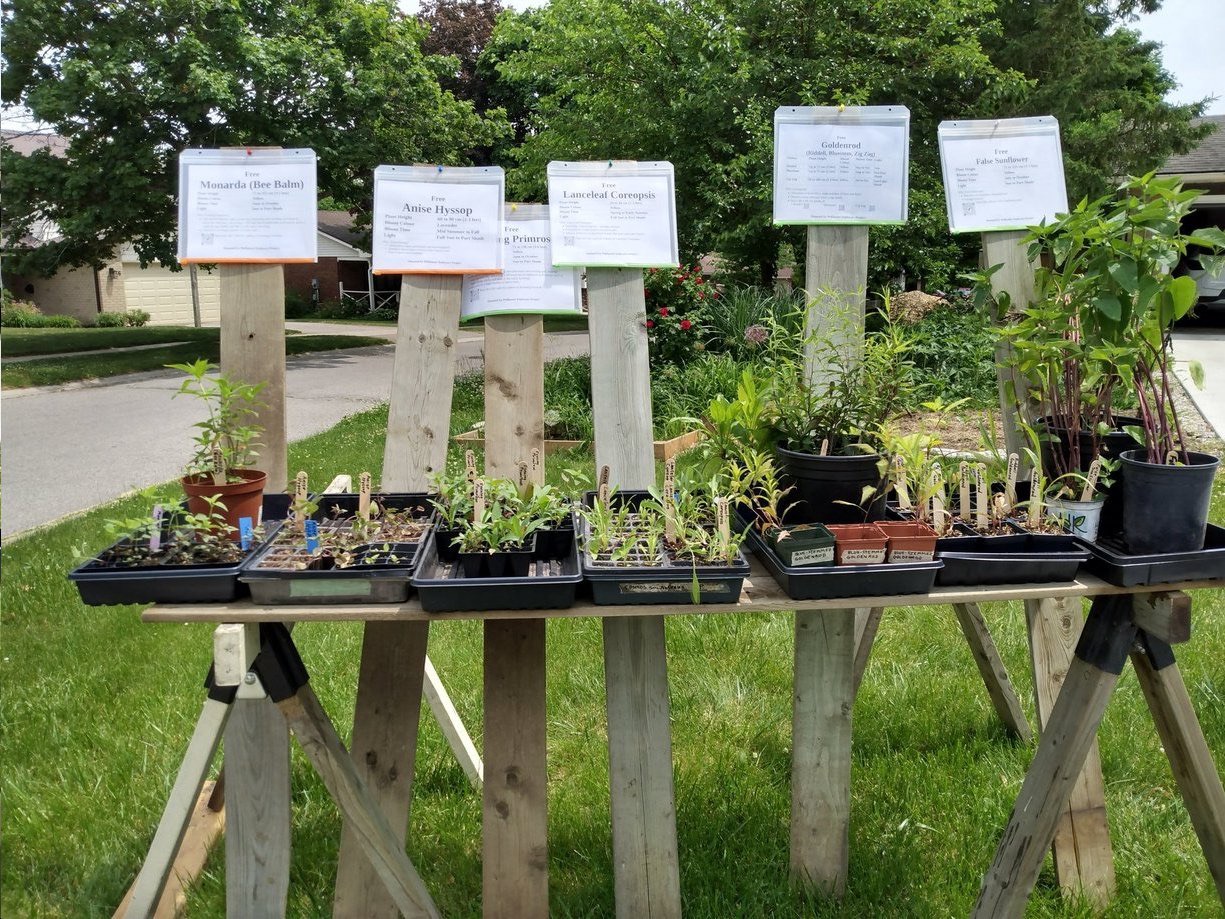
- June/25 – Four P3 volunteer planters visited the applicant sites to help the applicants plant the seedlings. All of the gardens were planted by the end of June. There were about 200 seedlings that were not required for the Hamilton Road gardens. These excess seedlings were made available to the public at no charge at the home of Don Whitred.
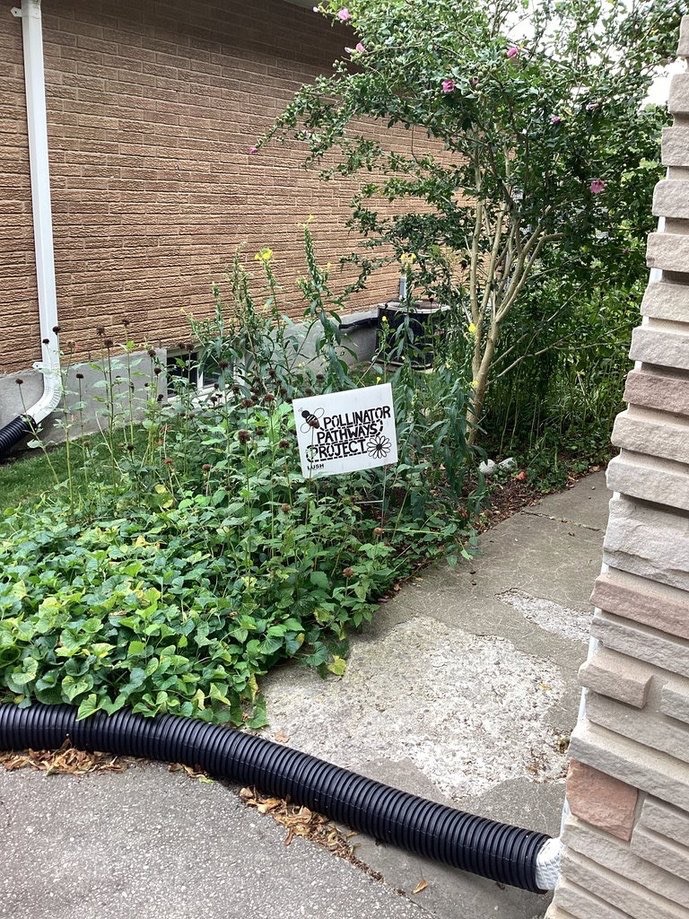
- September – Contacted each of the applicants to ascertain the state of their garden and to advise the applicant of how to get their garden ready for winter. Photos of eight gardens were taken. The balance of the gardens were in backyards, and permission was not granted to enter the premises to take photos and the homeowners did not respond to the request to send in a photo.
- September 19/25 - Final report prepared, with financials and photos, and sent to LEN.


 Email us